Solar Panels
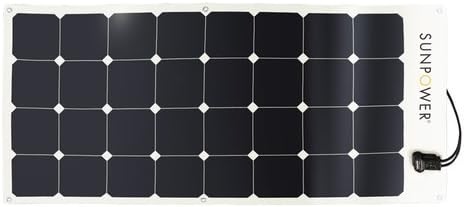
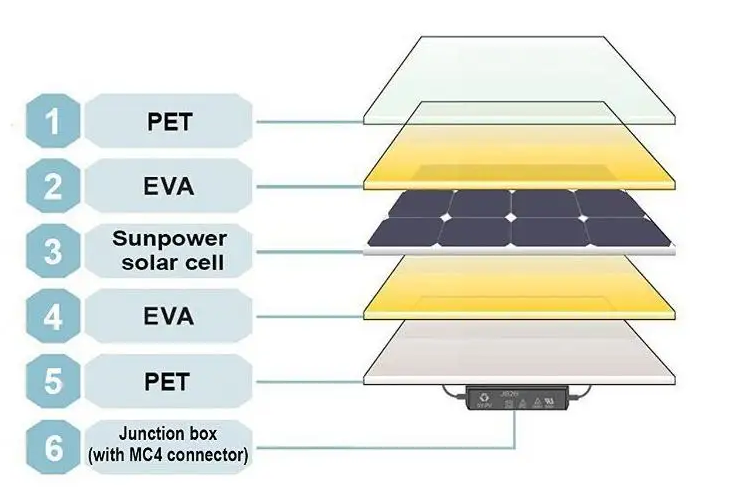
As we have discussed off-the-shelf solar panels are not well suited for this application. The SunPower 100W panel was about the closet to ideal of any of the ones we experimented with. It has the cells mounted to a thick plastic (PET) sheet making it semi-flexible. But this plastic backing is still pretty heavy and would require additional bracing to mount it to the solar tower.
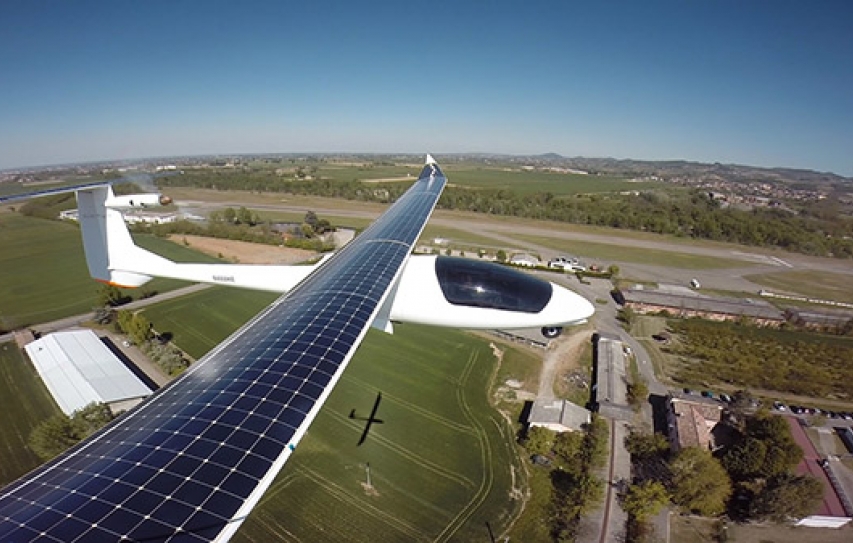
It turns out you can purchase the Maxeon cells used in this panel directly and mount them directly to anything you want. These cells are very high efficiency (23.5%) and relatively easy to work with. And they respond well to suboptimal light conditions. Those are among the key reasons they’ve been used for most if not all of the long-distance solar plane and car record holders:
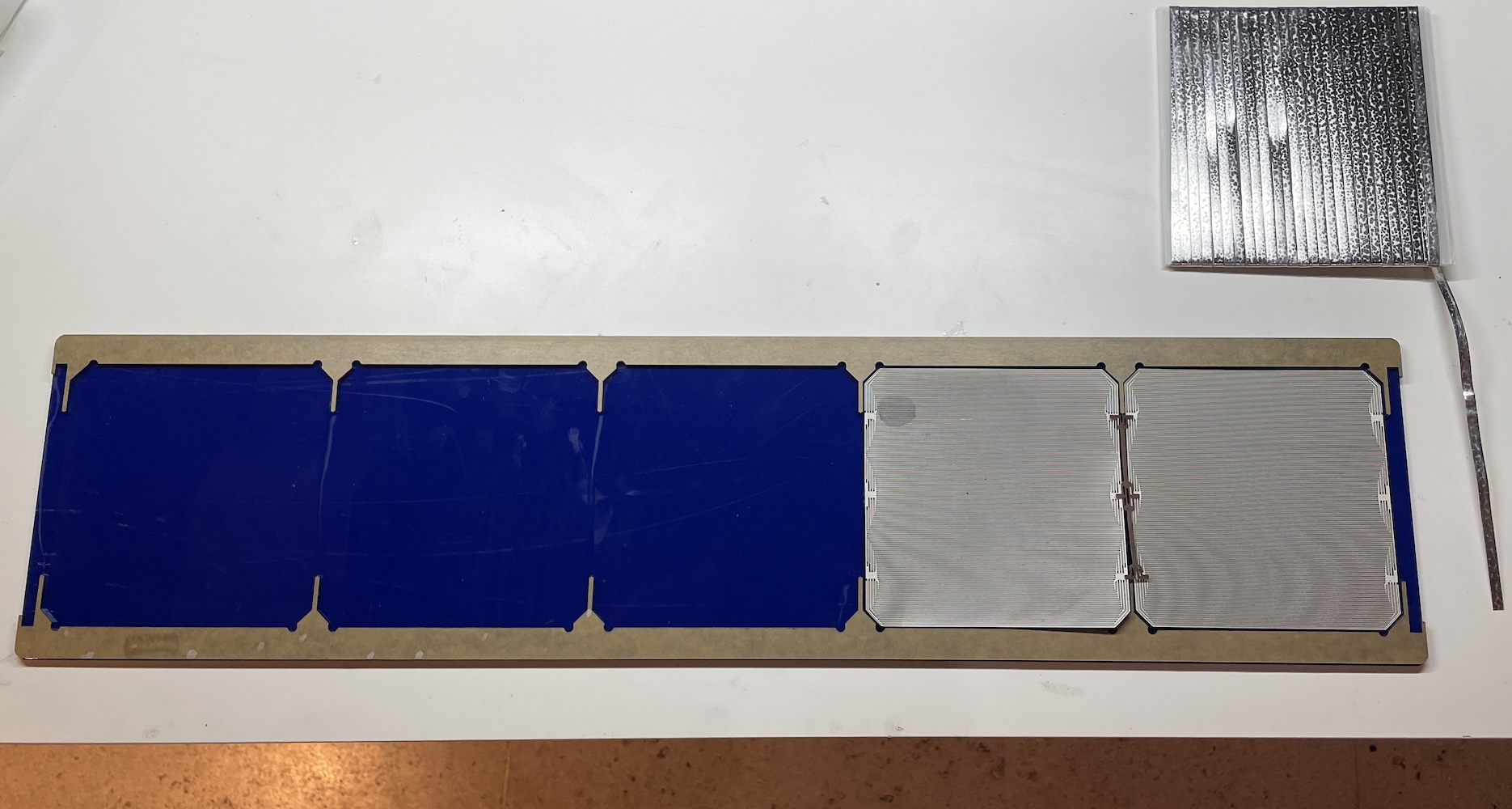
The cells are connected together with metal tabs. The tabs and cells have to be lined up very precisely. We created a jig to place a row of cells correctly aligned while soldering them together.
The generall approach to mounting these cells is to layer them together between a plastic cover sheet and backing using EVA glue layers fused together with a heated vacuum press.
So the trick is to find a suitable substrate that is lightweight and stiff. We first looked at using carbon fiber sheets. Although they were stiffer than the standard polypropylene sheets they are still too flexible unless they are very thick. We also considered various honeycomb structures such as aluminum and foam meshes. But these options were very expensive and not particularly strong.
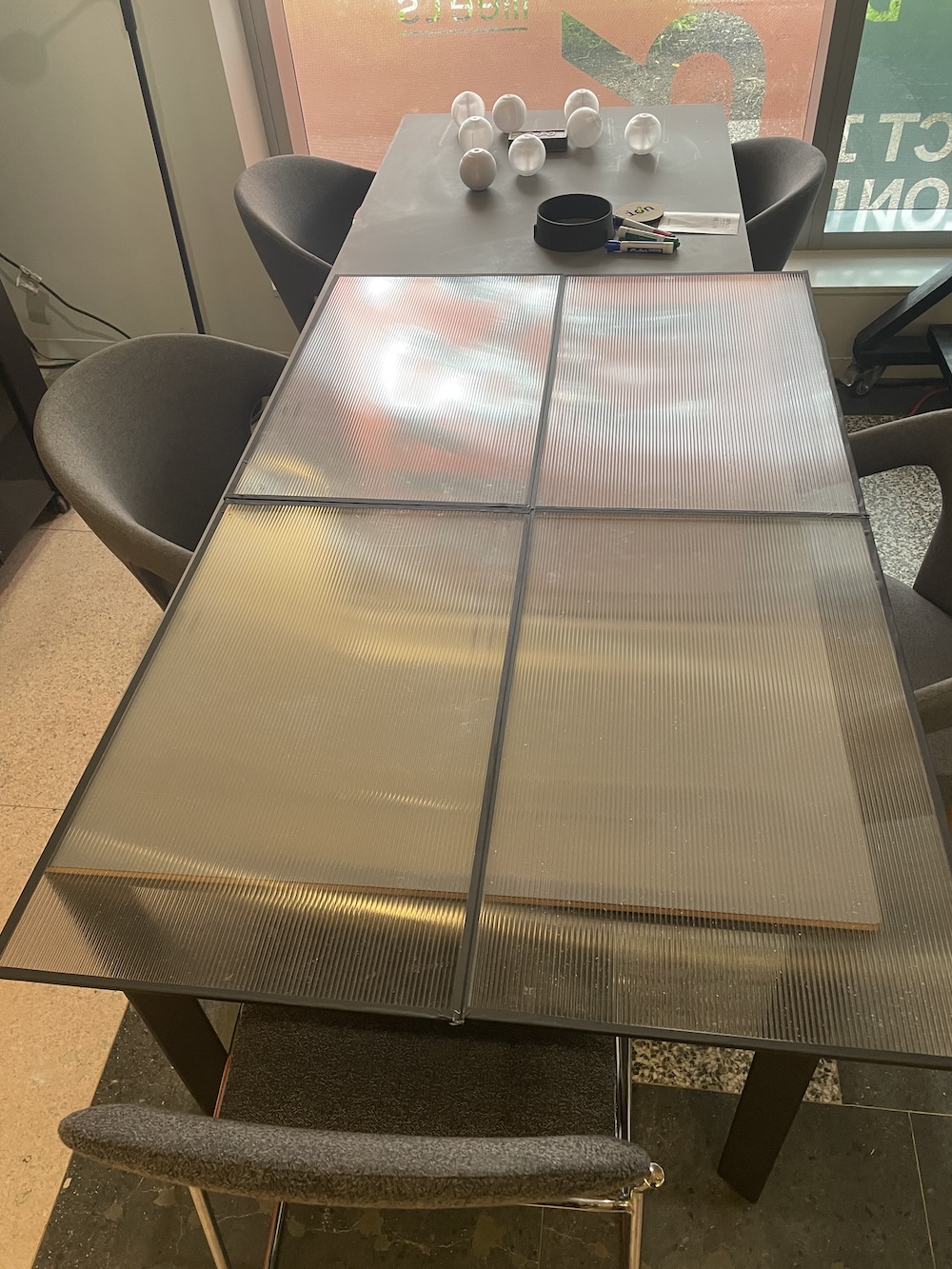
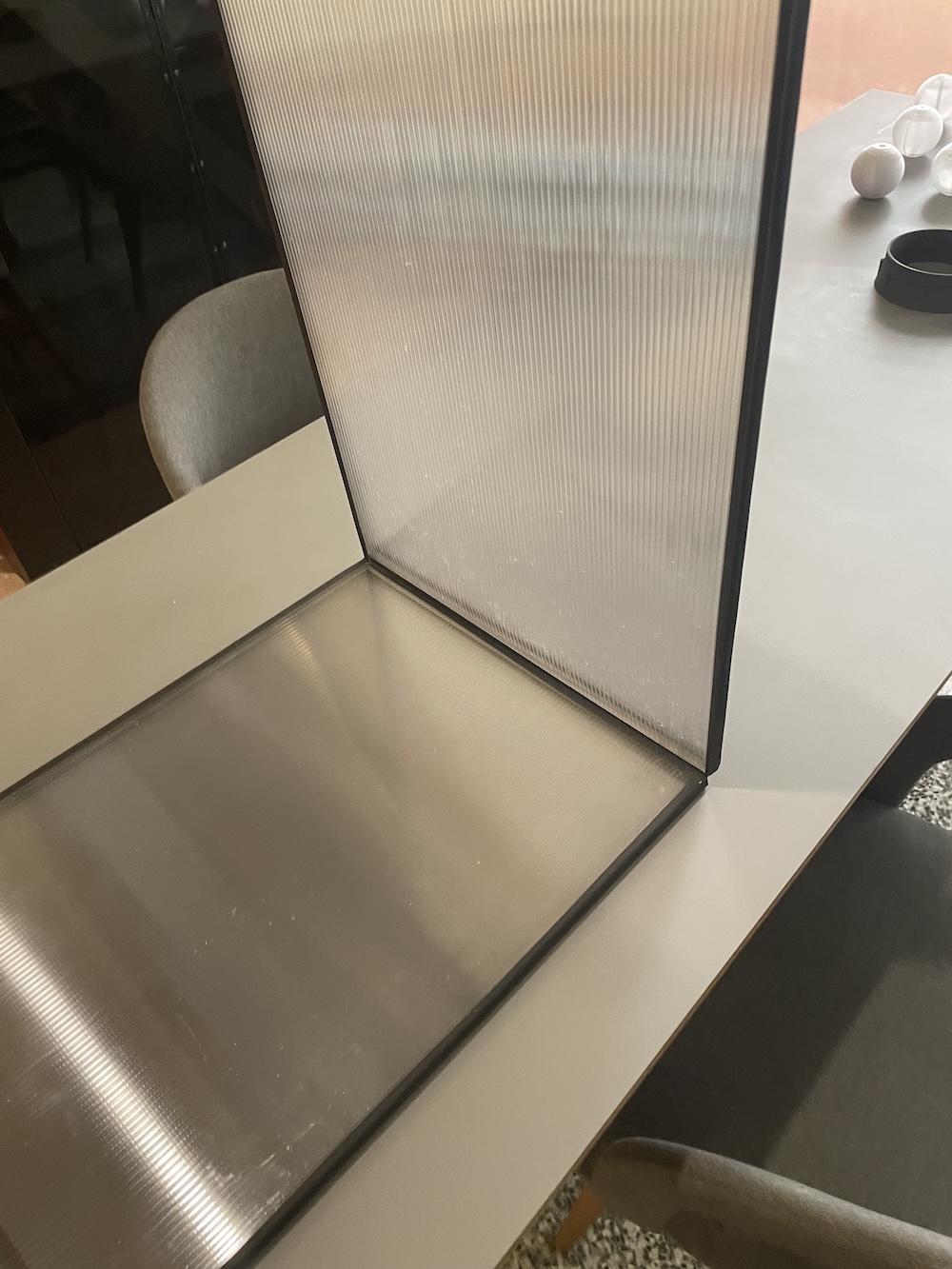
We decided to focus on using twinwall polycarbonate sheets as the substrate. They are weather and UV resistant and commonly used for outdoor applications. The vertical cell structure makes them extremely light, stiff an strong.
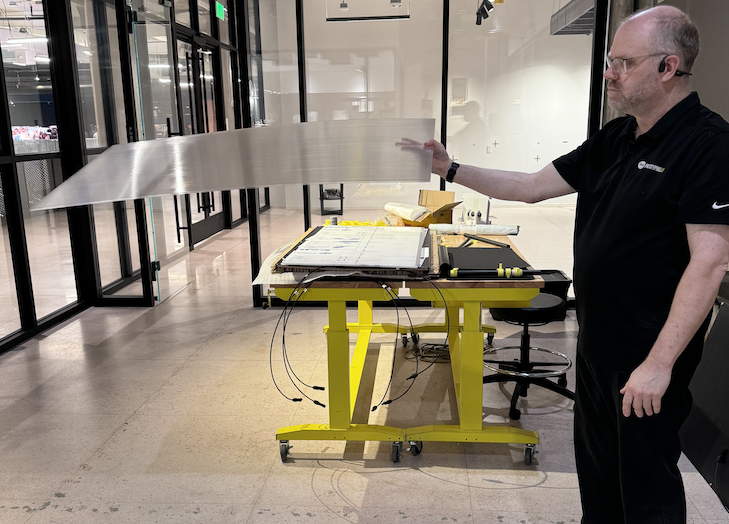
Even better we can also use a very thin sheet of the polycarbonate on top instead of PEI. Thus both the top and bottom layers of the sandwich would be polycarbonate, which facilitates bonding them together with a plastic cement thus forming an extremely durable package.
To fuse the layers together we built our own custom heated vacuum press. This includes a thick aluminum plate bed with a heated pad on the back mounted in an aluminum frame
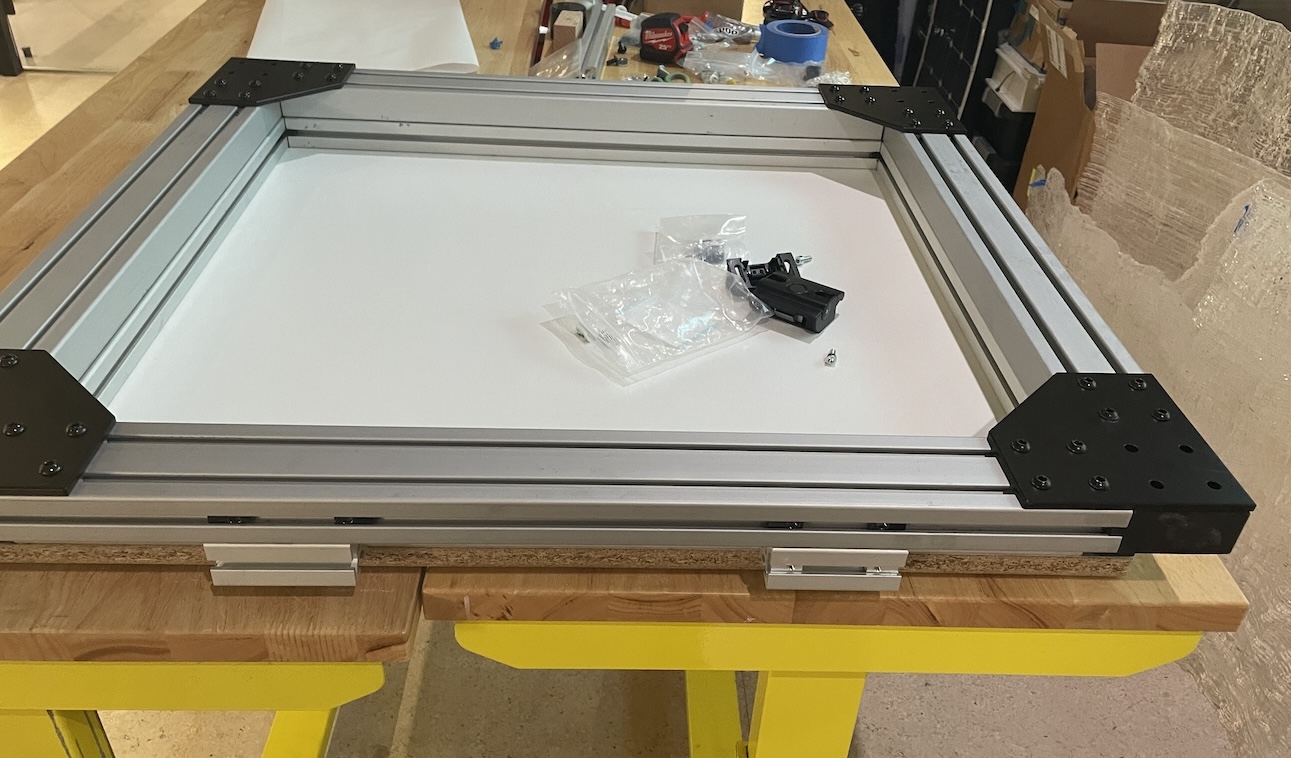
We initially experimented with attaching the cells directly to the twinwall backing. However the heat required in the vacuum press process caused the twinwall sheet to warp. So we came up with an alternate approach which sandwiches the cells between two thin layers of polycarbonate.
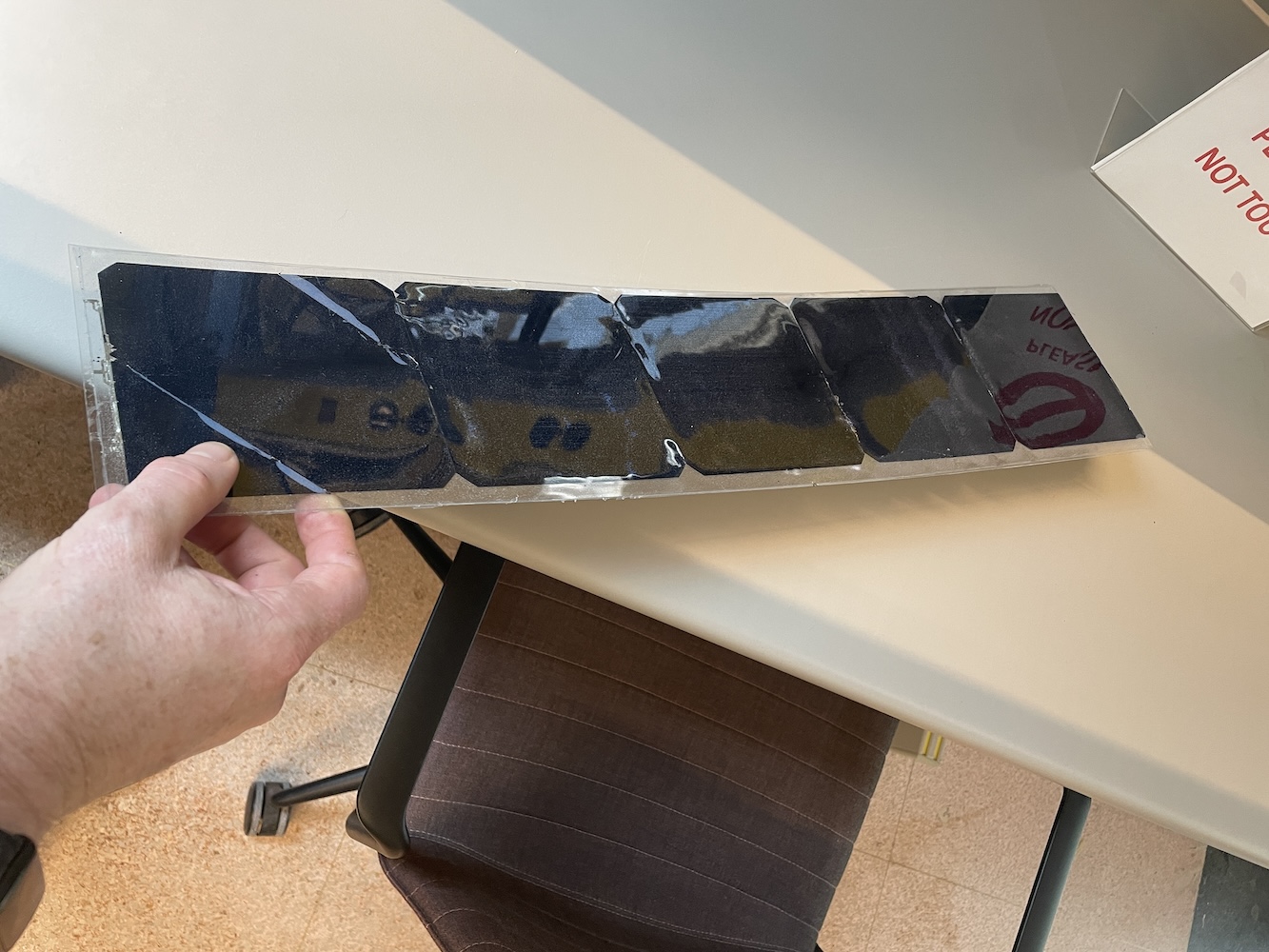
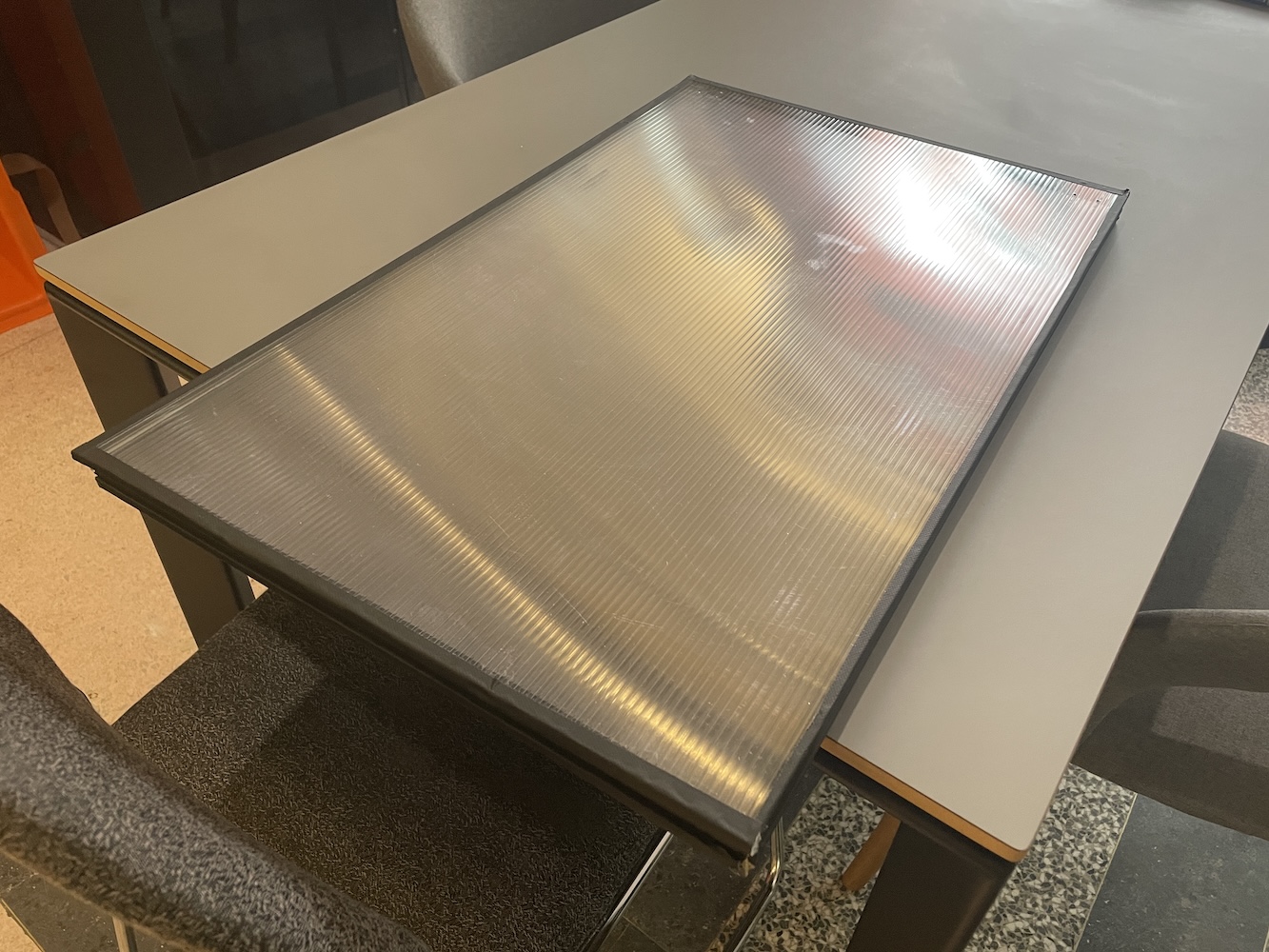
We then soldered these segments together, glued them onto the twinwall backing, and then covered the edges. Here is a picture of the assembled panel:
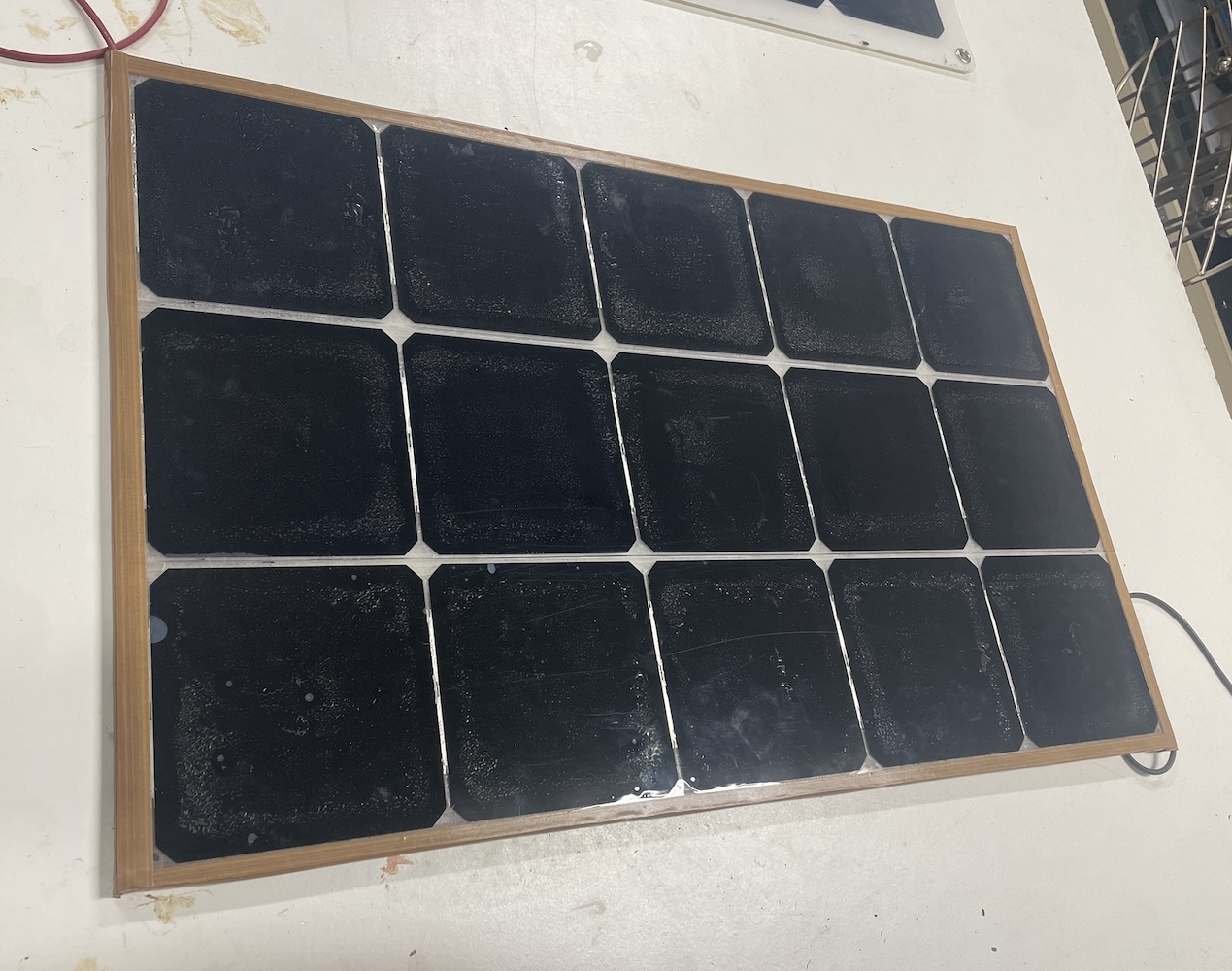
You can see a timelapse of the assembly process for the first prototype panel here:

The current version incorporates a fabric edge. However we’re replacing that with a plastic polycarbonate trim on future versions. We have purchased enough cells to build a few towers and we are starting to wramp up production.
The panels will be assembled into “units” comprised of four panels. The panels in each “unit” will be attached together with hinges on the long and short edges such that they fold up into a stack for easy storage. Each “unit” comprises on wing of the tower.